On this page
Find the cause first
Repeated cracking may result from movement, framing, settlement, moisture, or poor previous repair. Water damage should not be patched until the source is corrected.
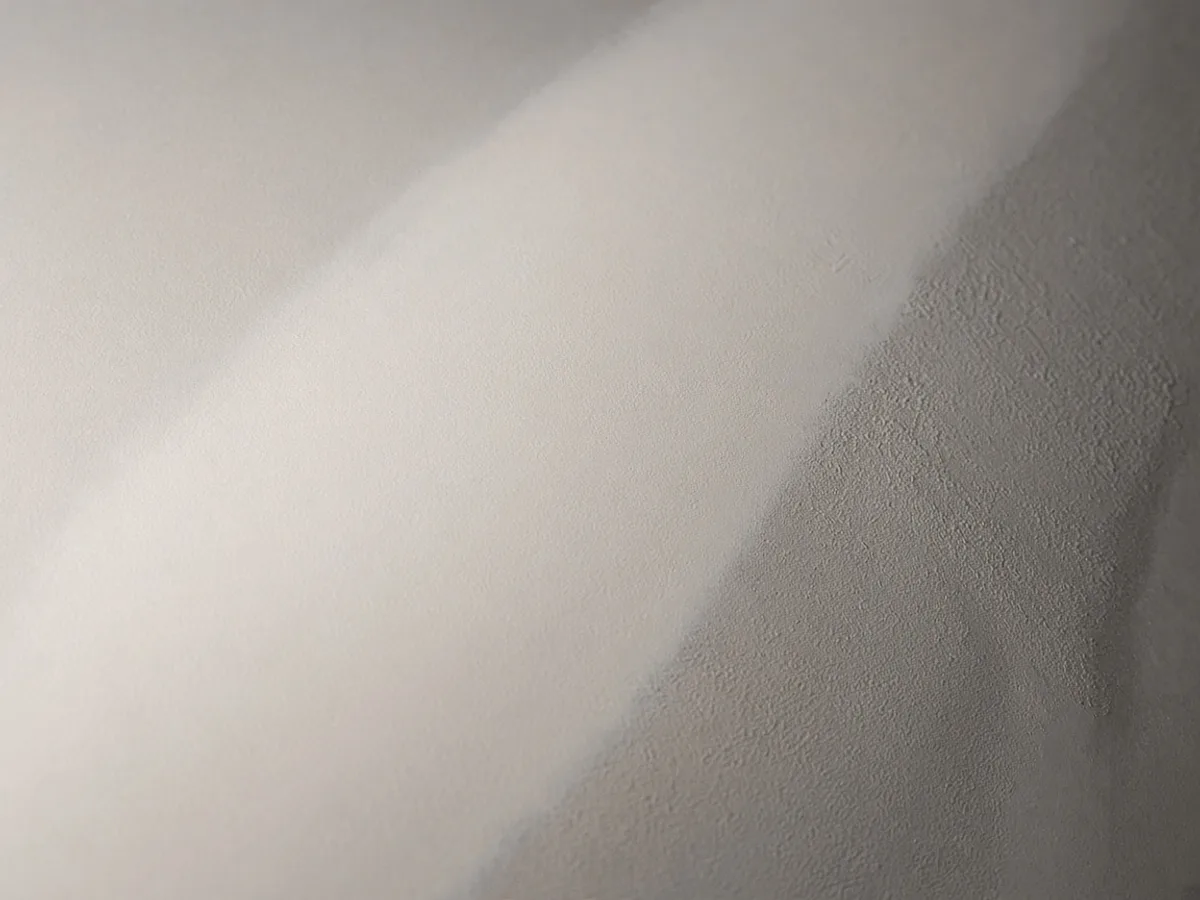
Texture affects repair visibility
Smooth walls and ceilings can demand broader feathering and finishing to make repairs disappear. Heavy texture can be difficult to match exactly.
Ceilings are less forgiving
Lighting across a ceiling can reveal waves, patches, and sanding marks. Repair size and finish level should reflect the final lighting conditions.
Opening drywall can be useful
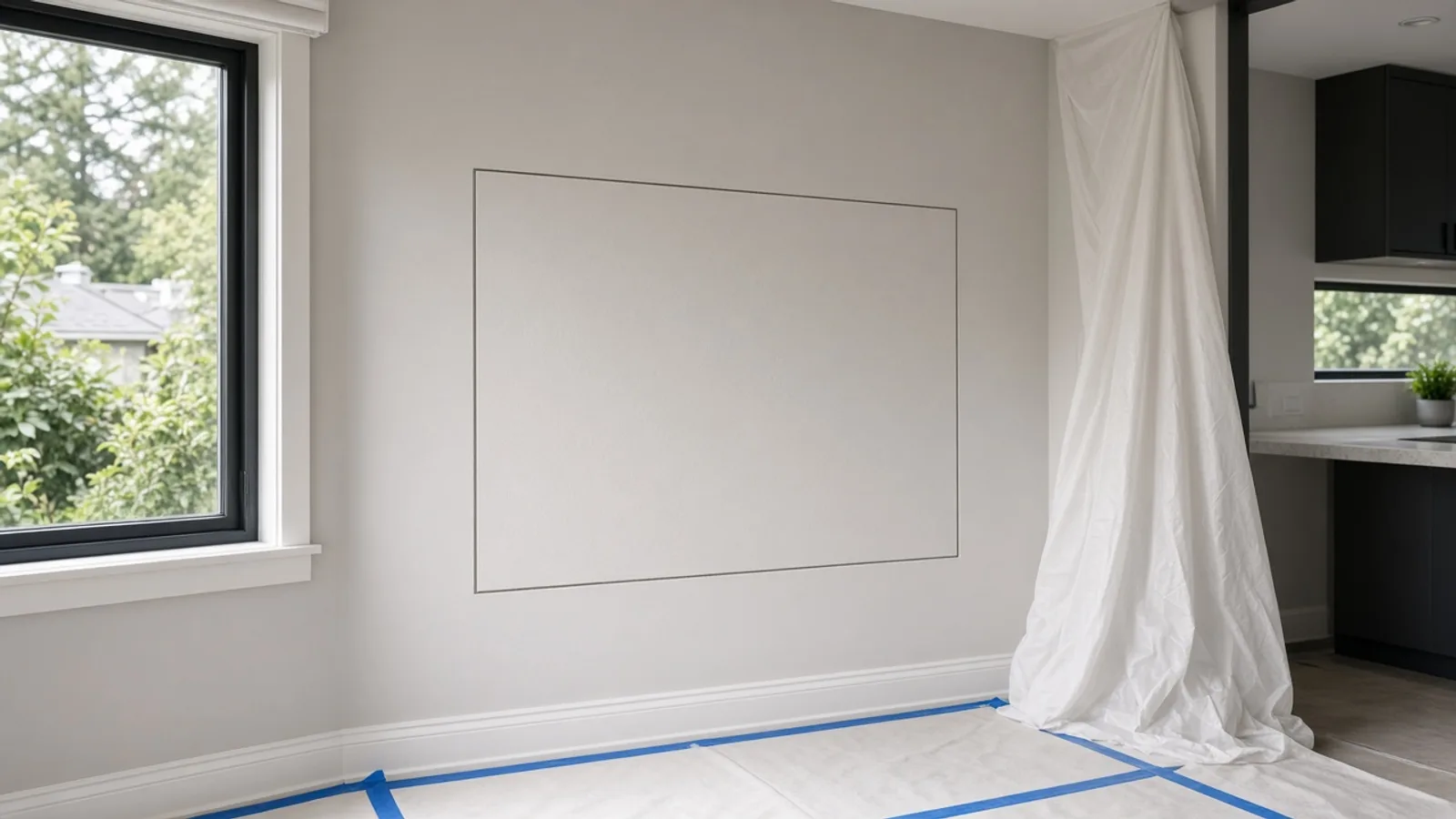
Sometimes selective removal is the cleanest way to repair plumbing, electrical, insulation, framing, or moisture problems concealed behind the surface.
What to prepare before asking for an estimate
To make an initial contractor conversation more useful, prepare:
- the property location,
- a few clear photos,
- approximate dimensions,
- the outcome you want,
- what you want to keep versus replace,
- preferred materials or finish level if known,
- and your ideal timing.
This helps separate a broad idea from a buildable scope.
When a site visit makes sense
A site visit is especially useful when the project involves hidden conditions, water damage, structural changes, existing-system upgrades, uncertain measurements, difficult access, or a major reconfiguration. Revolin Group can review the conditions and help define the next step before a detailed estimate is prepared.
Keep planning with Revolin Group
Related services
Service areas
Completed work
Frequently asked questions
Talk to Revolin Group
If you are planning this type of work in Metro Vancouver, we can help you move from a rough idea to a clearer construction scope. Final pricing depends on measurements, existing conditions, access, materials, required preparation, approvals, and timeline.